





Credit crunch
A credit crunch (or credit squeeze or credit crisis) is an economic state characterised mainly by a sharp drop in confidence and a lack of credit (or loans). At such times, usually brought on by a shortage of funds, financial organisations are less willing to lend money which can lead to a rapid economic slowdown. At any official rate of interest, credit becomes less available than it was previously.
Credit crunches frequently occur at the tail end of a recession and can also follow periods in which lenders are overly keen, even careless, when estimating customers’ creditworthiness. When such bad debts cannot be paid, losses are suffered by lending institutions and investors. Typically, such times will see lenders and investors retreating to less risky investments such as gold, silver and other precious metals.
The opposite of a credit crunch is ‘easy credit’ (or easy money or loose credit). These conditions usually involve easy-to-get, inexpensive loans that are a result of low interest rates for borrowers and relaxed lending policies by banks.
The term 'credit crunch' in the UK has become synonymous with the period following the 2007 financial crisis which followed a collapse in the sub-prime lending marked in the USA. A number of financial institutions had to be bailed out by governments, and the resulting debt, loss of confidence and withdrawal of credit dragged economies worldwide into recession.
The construction industry was particularly badly affected as finance became unavailable, investment was canceled and projects stalled.

|
| Private sector housing and non-housing. Output/quarter (£millions 2005 prices) in Great Britain |
[edit] Related articles on Designing Buildings Wiki
Featured articles
Check out some of the best features and news from Designing Buildings as well as key stories from around the web.
Households living near new pylons to save on bills.

ECA warns growth must not outpace grid capacity or skills.
The role of the client and decision making

CIOB response to built environment professions call for evidence.
Construction's sustainability reporting revolution
Tracking upfront embodied carbon with digital tools.
ECA welcomes procurement reforms

Public spending must back British jobs and skills.
Campaigning for Edinburgh: the Cockburn Association 1875-2049

The role of the civic voice in protecting character. Book review.

CIOB photography competition is open for entries.
ECA Edmundson apprentice of the year award

Finalists announced.
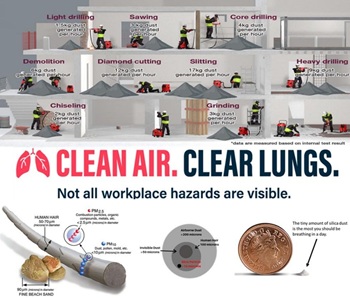
Major new study exposes serious knowledge gaps.

Generating energy from internal light as well as sunshine.

ECA welcomes plans to strengthen subcontractor quality control.

Combining mid-career qualifications with experience broadens career opportunities.